Maintaining a well-kept lawn requires attention to seasonal changes, as each season brings its unique challenges and opportunities. For property owners, understanding and implementing seasonal lawn maintenance practices is crucial for sustaining healthy and aesthetically pleasing lawns. This guide will explore how to navigate these seasonal dynamics, offering valuable insights into key maintenance practices for each season.
Regular lawn care not only enhances property value but also contributes to a more aesthetically appealing environment. By following structured and season-specific maintenance strategies, property owners can enjoy a lush, vibrant lawn year-round. This guide will provide comprehensive strategies for addressing different lawn care needs across each season.
In the pages that follow, you will find detailed guidance on various aspects of lawn care, from spring revitalization tips to effective winter protection strategies. Each section delves into specific tasks and offers practical advice to tackle common challenges. Embark on this maintenance journey with us, and ensure your lawn remains the pride of your property in every season.
Clearing Debris
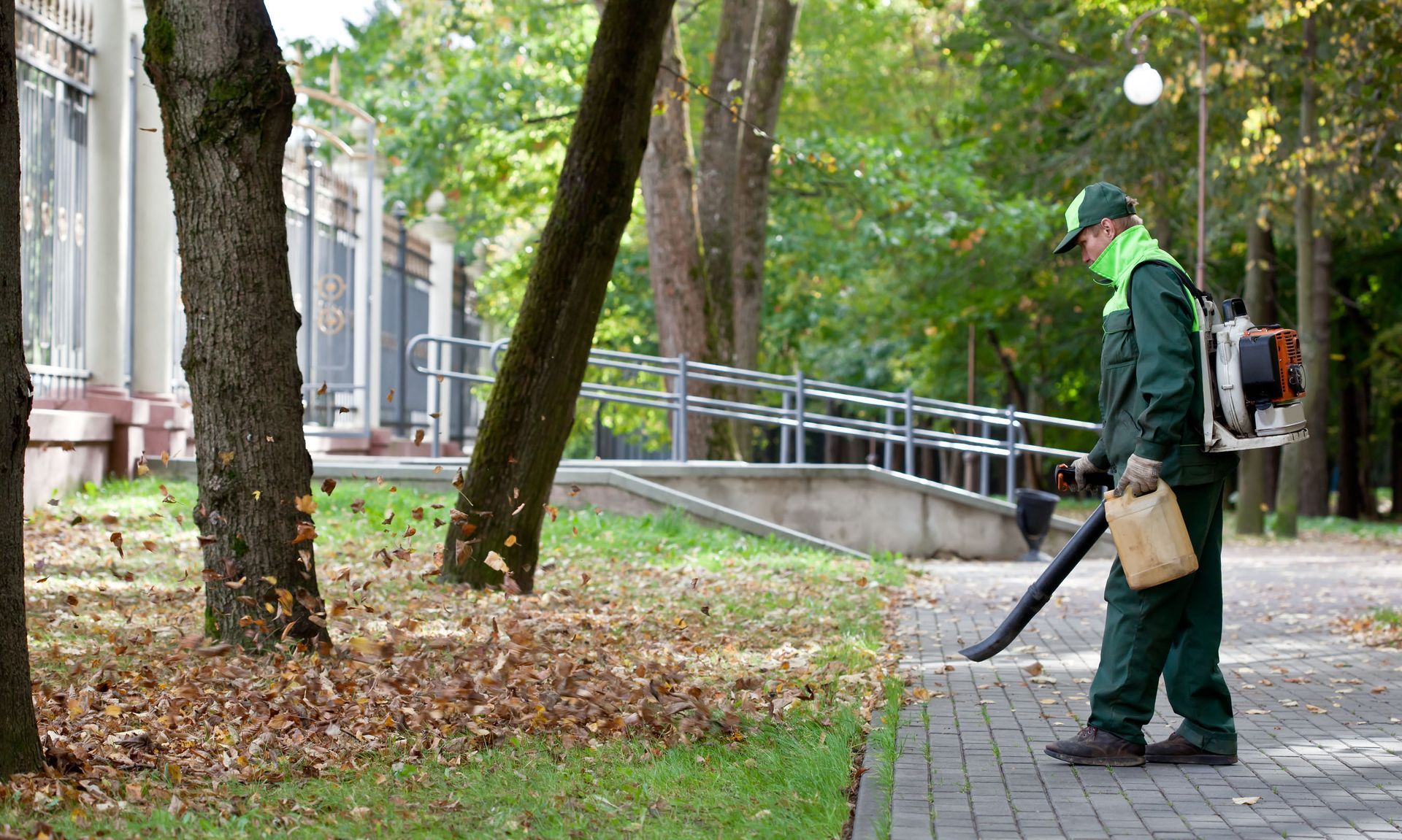
As winter retreats, it leaves behind an assortment of debris that needs to be addressed for a healthier lawn. Removing fallen branches, leaves, and accumulated debris is the first crucial step in spring lawn care. This clearing process allows new growth to emerge and prevents pests and diseases from taking hold. Regular debris removal also enhances the aesthetic value of the lawn, setting the stage for subsequent care activities. Consistent debris management can significantly improve the overall health of your lawn.
To ensure efficient clearing, consider employing tools such as rakes for leaves and blowers for lightweight debris. It is advisable to conduct a thorough inspection to identify areas with excessive debris accumulation. Implementing a routine schedule for debris removal can help maintain a clean lawn surface and promote even grass growth. Additionally, composting organic debris provides a sustainable disposal method and enriches the soil with valuable nutrients. Taking proactive measures to clear debris sets the foundation for a successful lawn care season.
According to the Pocono Environmental Education Center (PEEC), using native plants in landscaping has numerous benefits. These plants, however, often require two to three years of regular, slow, deep watering to establish properly. Ensuring that debris does not hinder water penetration is thus vital for supporting new and existing vegetation. Integrating native plants into your lawn can ultimately reduce maintenance needs and foster biodiversity. By embracing debris management and sustainable planting practices, property owners can cultivate a healthier environment.
Soil Testing and Amendment
Soil testing is a fundamental aspect of spring lawn care, enabling property owners to understand the nutrient profile and pH levels of their soil. This information is crucial for addressing deficiencies and promoting optimal grass growth. Conducting pH and nutrient tests can help determine the necessary amendments to improve soil fertility and structure. With this knowledge, property owners can apply appropriate fertilizers and soil conditioners, fostering a conducive environment for grassy thrive. Prioritizing soil testing and amendment establishes a strong framework for a resilient lawn.
Choosing the right type of amendment depends on the soil's initial test results. Lime or sulfur can be added to adjust pH levels depending on whether the soil needs to be more alkaline or acidic. Nutrient deficiencies can be rectified with organic or inorganic fertilizers specifically formulated to cater to the lawn's needs. Grass growth relies on essential nutrients such as nitrogen, phosphorus, and potassium, which can be supplemented through regular fertilizer applications. By aligning soil amendments with specific requirements, property owners set a positive trajectory for healthy lawn development.
Regular monitoring and adjustment of soil conditions help prevent imbalances that impede grass health. Property owners should adopt best practices for applying amendments without overburdening the soil with excess chemicals. Sustainable amendment strategies minimize environmental impact and promote long-term lawn health. Choosing environmentally friendly fertilizers and organic soil improvement complements efforts to promote biodiversity and reduce chemical dependency. With a well-maintained soil foundation, lawns can flourish throughout the growing season.
Grass Seeding and Over-seeding
Spring is an ideal time for both seeding new lawns and over-seeding existing ones. This practice fills in bare patches and strengthens thin areas, encouraging a dense and healthy grass cover. Successful seeding requires proper soil preparation, including loosening the topsoil to promote root penetration. Choosing high-quality grass seed blends suitable for your climate ensures better results and increased resilience. Whether establishing a new lawn or enhancing an existing one, seeding sets the stage for rapid and robust growth.
Over-seeding is particularly beneficial for lawns suffering from thinning or patchiness due to winter stress or pest damage. This process introduces new, vigorous grass varieties, aiding in the suppression of weeds and improving lawn density. To maximize results, ensure good seed-to-soil contact by raking the area lightly and using a spreader for even distribution. Proper watering and ongoing care are essential to support seed germination and early growth stages. Regular mowing at the appropriate height further encourages the development of a lush and uniform lawn.
For property owners seeking sustainable lawn solutions, native grass varieties offer several advantages. These species are adapted to local climates and require less water and maintenance once established. However, the establishment process might demand patience and consistent watering during the first few years. Collaborating with local nurseries and landscape experts can assist in selecting the most suitable native grass types for over-seeding. Committing to long-term over-seeding and seeding practices ensures a vibrant and sustainable lawn.
Fertilizing Techniques
Effective fertilization techniques are integral to nurturing a thriving lawn, particularly in the spring when grass actively grows. Selecting the right fertilizer depends on the specific nutrient needs through soil testing. Organic fertilizers, made from natural materials, contribute to the overall health of the soil while minimizing environmental impact. Inorganic fertilizers provide a rapid nutrient boost but require careful application to avoid chemical buildup. Striking a balance between organic and inorganic options enhances overall lawn vitality and resilience.
Timing and quantity are key considerations for successful fertilization. Applying fertilizers in early spring supports root development and overall vigor, setting the tone for sustained growth throughout the season. It's essential to follow recommended guidelines for application rates to prevent over-fertilization, which can lead to runoff and nutrient leaching. Employing spreaders enables even distribution of fertilizers across the lawn surface, maximizing coverage and absorption. By adhering to a well-structured fertilization schedule, property owners can optimize nutrient delivery to their lawns.
Adopting a targeted approach to fertilization helps support biodiversity and reduces chemical dependency. Natural slow-release fertilizers deliver nutrients gradually, providing long-term nourishment without overwhelming the soil ecosystem. Integrating compost and other organic amendments further enriches the nutrient profile and fosters a balanced environment. Consistent monitoring of lawn response and periodic soil testing guide adjustments and refinements in fertilization practices. With informed choices, property owners contribute positively to lawn health and environmental conservation.
Weed Prevention and Control
Weed prevention and control is an ongoing effort essential to maintaining a lush and healthy lawn. Weeds compete with grass for vital nutrients, water, and sunlight, often competing them if left unchecked. Implementing emergent herbicides in early spring targets weed seeds before they germinate, reducing the growth of troublesome species. Non-chemical approaches, such as mulching and dense planting, also help suppress weed growth by creating unfavorable conditions. A multifaceted approach to weed control boosts lawn resilience and appearance. Be sure to reach out to Ethan’s Eden Landscape and Design, LLC has today to learn more about our professional lawn maintenance!